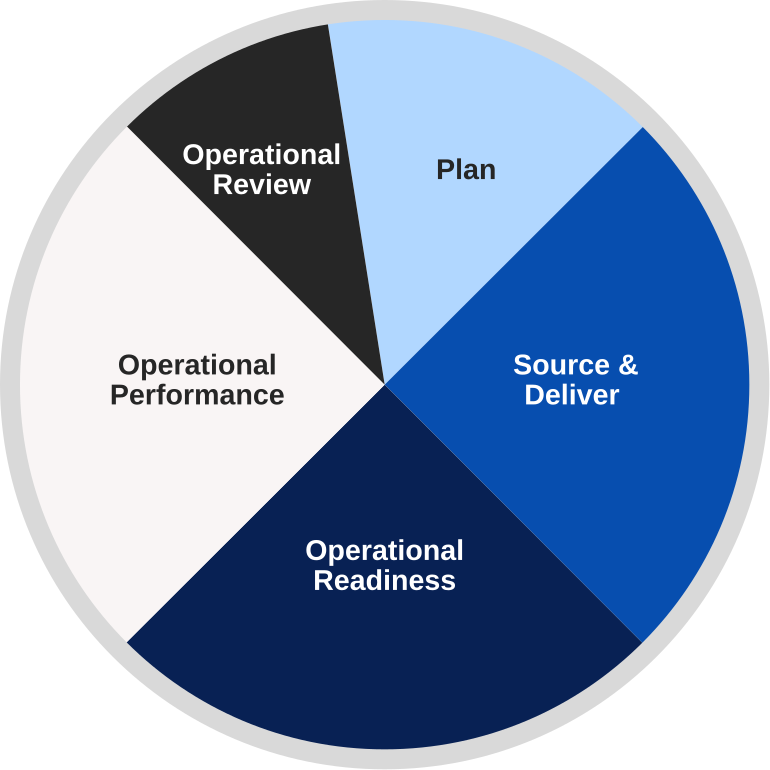
Maintenance strategies are developed for an asset based on manufacturer recommendations & organisational needs. Strategies trigger maintenance tasks to be created & actioned at strategic intervals, taking a proactive approach to maintenance work. This minimised unplanned downtime & capital spending.
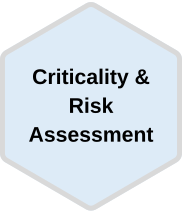
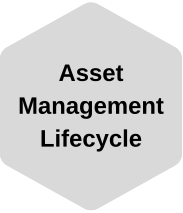
Asset strategies establish the framework for managing risk, reliability, performance and lifecycle costs. Maintenance tactics may include preventive, predictive, condition-based or run-to-failure approaches depending on the asset's criticality and operational importance. Effective strategy development ensures maintenance activities align with business objectives while maximising asset performance and service life.
- Define maintenance approaches for critical assets.
- Review manufacturer recommendations and failure history.
- Establish preventive and predictive maintenance programs.
- Align maintenance strategies with risk and business objectives.

Inputs
Manufacturer recommendations, risk assessments, asset criticality, operational requirements
Outputs
Maintenance strategies, maintenance plans, scheduled maintenance tasks
Benefits
Improved reliability, reduced downtime, optimised lifecycle costs
.svg)