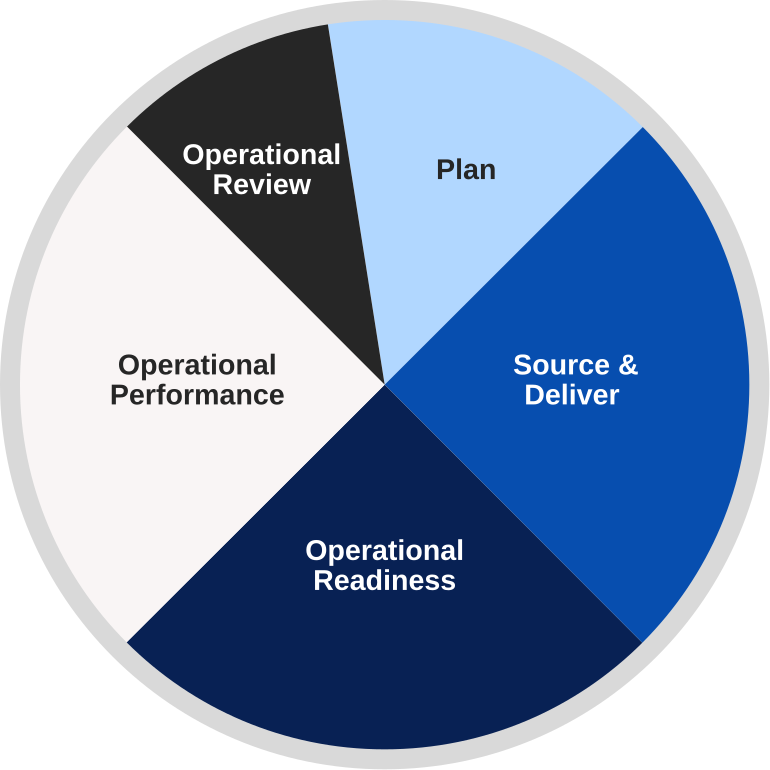
Commissioning an asset once it has been delivered ensures that it is operating as designed. A handover checklist should be completed prior to operations taking ownership of the asset. Training packages should be developed and operators deemed competent before operating any asset. Operators should also know how to properly conduct a "pre-start" on the equipment.
Asset operation focuses on achieving production objectives safely, efficiently, and within operating limits. Operators play a critical role in identifying defects, reporting abnormal conditions, conducting inspections, and ensuring equipment is used as intended. Effective operational practices maximise asset performance and contribute to long-term reliability.
- Complete commissioning and operational acceptance activities.
- Conduct operator training and competency assessments.
- Perform pre-start inspections and routine checks.
- Monitor asset performance and operating conditions.

Inputs
Commissioned assets, operating procedures, training packages
Outputs
Operational assets, competency records, performance data
Benefits
Safe operation, reliable performance, improved asset utilisation
.svg)