
MENU

Workforce demand planning identifies current and future people requirements needed to achieve organisational objectives. By analysing business plans, workload forecasts, growth opportunities, and capability gaps, organisations can determine when additional resources are required and whether needs can be met through internal development or external recruitment.
.svg)
Workforce feasibility and budgeting ensures proposed hires are justified, affordable, and aligned to organisational priorities. This activity assesses expected workload, productivity requirements, financial implications, and strategic value before resources are approved.
Internal development pathways provide employees with opportunities to build skills, advance careers, and fill future organisational needs. Developing talent internally reduces recruitment costs while improving engagement, retention, and succession readiness.
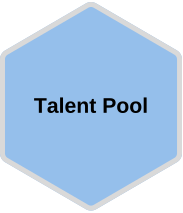
Talent pools maintain relationships with internal and external candidates who may be suitable for future workforce requirements. A proactive talent pipeline shortens recruitment timeframes and improves access to critical skills.
Recruitment activities attract, assess, and select suitable candidates when workforce requirements cannot be met through internal development or talent pools. Effective recruitment ensures alignment between role requirements and candidate capabilities.
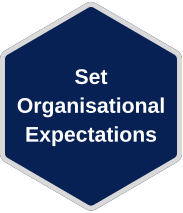
Organisational expectations provide employees with a clear understanding of company values, behaviours, policies, and standards. Clear expectations help create a consistent culture and support employee accountability.
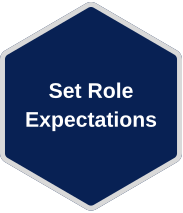
Role expectations define responsibilities, performance standards, competencies, and development requirements. Clearly defined expectations help employees understand what success looks like and how they contribute to business outcomes.
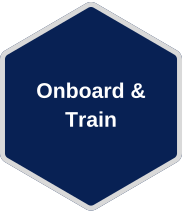
Effective onboarding helps employees become productive, engaged, and confident in their role. Structured onboarding and training accelerate integration into teams while building capability and organisational understanding.
Performance reviews provide structured opportunities to evaluate achievements, identify development needs, and align future goals. Regular reviews strengthen accountability and support continuous improvement.
Employee advancement focuses on recognising contribution, rewarding performance, and creating growth opportunities. Career development pathways help retain talent and build future organisational capability.
Performance management addresses performance concerns through coaching, support, and corrective action. Early intervention helps employees succeed while maintaining organisational standards.
Offboarding ensures knowledge is retained, organisational obligations are met, and departing employees leave on positive terms. Structured transitions minimise operational disruption and provide valuable workforce insights.
Continuous feedback creates an ongoing dialogue between employees, leaders, and teams to support performance, engagement, and development. Regular check-ins, coaching conversations, recognition, and employee feedback mechanisms help identify issues early, reinforce positive behaviours, and encourage continuous growth throughout the employee lifecycle.
Project control ensures workforce resources are effectively allocated, monitored, and adjusted to meet changing business and operational requirements. Through workload management, resource planning, and capability balancing, organisations can optimise team performance while maintaining delivery commitments and employee wellbeing.
Click on an element for more information >>>
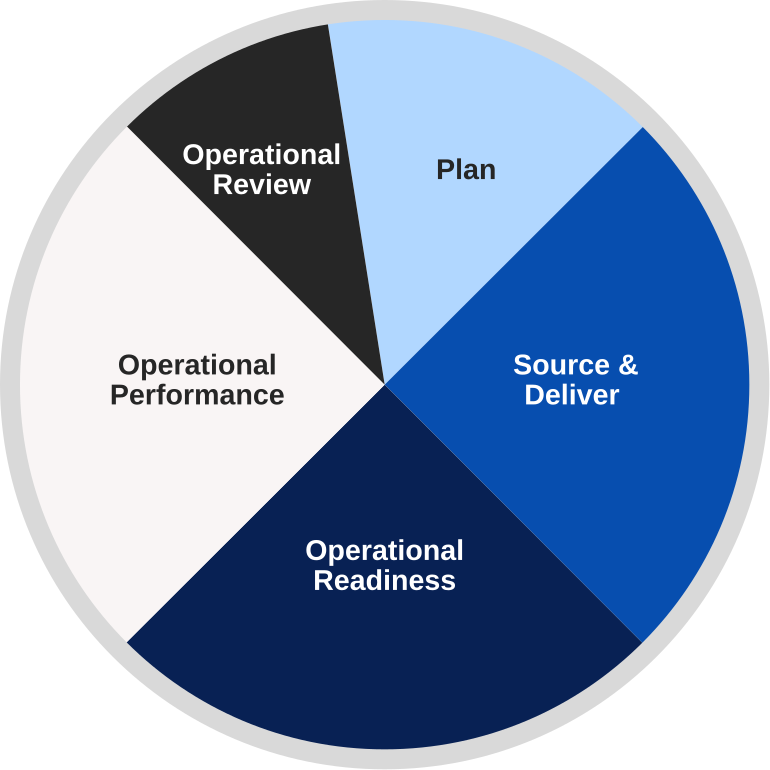
Effective people management ensures an organisation attracts, develops, engages, and retains the workforce required to achieve strategic and operational objectives. A structured people management lifecycle helps leaders identify workforce requirements, recruit and onboard talent, set clear expectations, support performance, and build capability through continuous development and feedback.